Friday, December 15, 2006

Importance of Snags


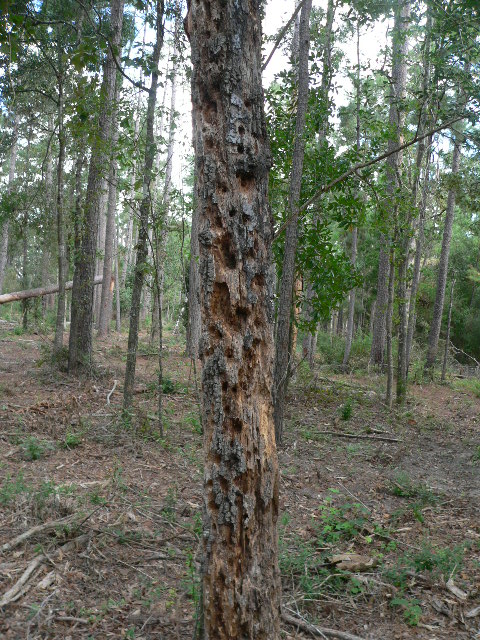
Snags are an essential part of wildlife habitat. When coming upon an old snag most would think of it as nothing more than a, well a rotting piece of wood, worthless and in need of removal. How wrong they would be. These "rotting pieces of wood" play an integral part in maintaining a forest's health. They are beneficial to about every life form that thrives there, be it birds, insects, mammals, reptiles, amphibians, fungi, lichen, and even minute bacteria serving as food, shelter, perches, cover and nesting sites. Snags are formed by several different means- lightning, disease, fire, drought, and normal aging. It is routine practice by forest managers to leave a certain amount of snags per acre due to their impotance to the forest ecosystem. They will eventually fall where they will continue to support life and add important nutrients to the ground that will benefit other plants.

Labels: ,

Saturday, December 09, 2006

New Mosquito Breeding Sites


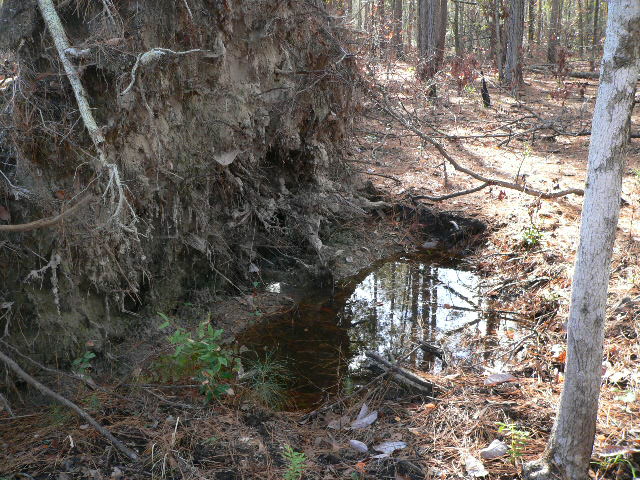
Big Thicket- Warren, TX: I crawled upon a large oak tree that had been toppled by Hurricane Rita back in September 2005 in the woods of the Big Thicket. I'm in awe at the power it took to lay over such a giant. While looking at this tree I realized that it, along with every other tree that was blown over during this storm, formed a large "crater" in the ground where the roots had once resided. These craters then fill after each rainfall and provide not only a drinking source for the animals that reside here, but also, unfortunately, an excellent breeding site for west nile virus laden mosquitoes. Lots of trees were downed during this storm which means there are many of these mosquito "stews" scattered throughout the forest. West Nile Virus was first detected in a human back in in 1937 in Africa and eventually spread to the U.S. According to the CDC in 2003 there were 720 reported cases here in Texas alone.

Labels: , ,

Web Counter
Online Schools